


How to Choose the Right Youth Goalkeeper Training Environment: 7 Questions Every Parent Should Ask
Jul 14
5 min read
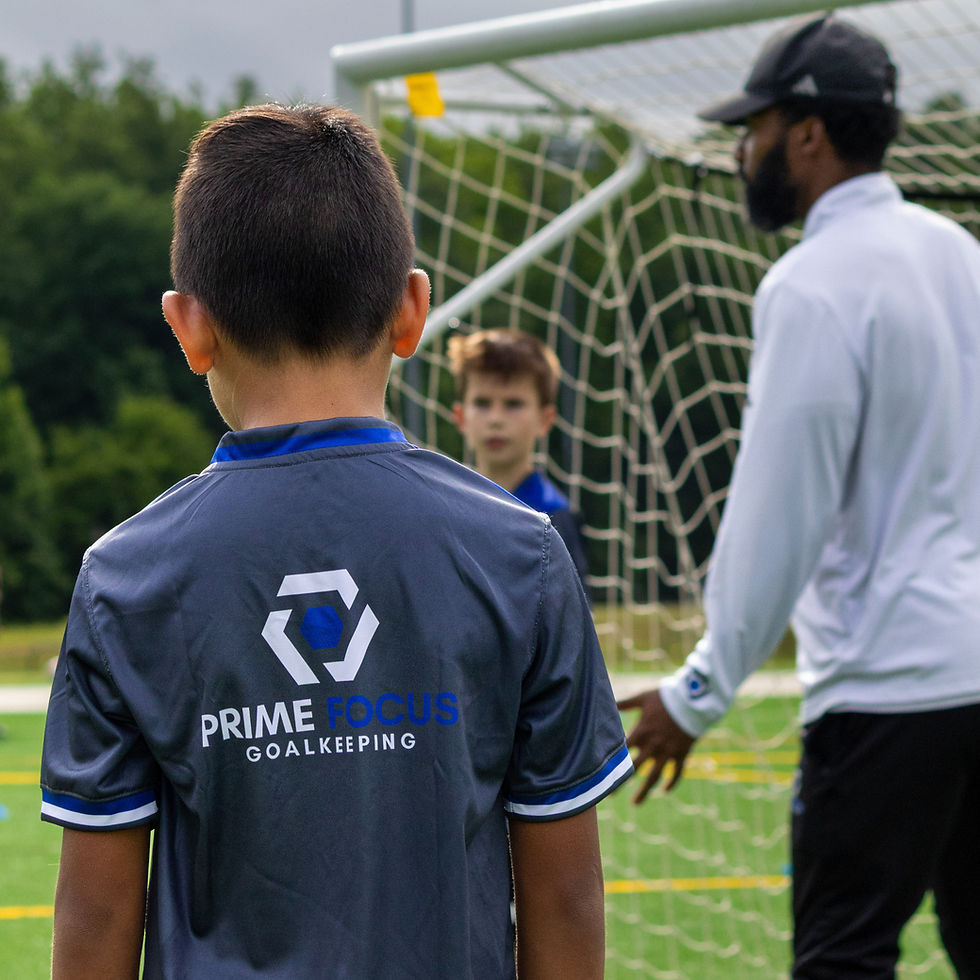
Not all goalkeeper training is created equal. Some programs build confident, technically sound goalkeepers who get recruited and keep improving year after year. Others are little more than a field player coach running generic drills with a kid wearing goalkeeper gloves.
The hard part as a parent is that most programs look similar from the outside — same cones, same drills, same promises. The differences that actually matter are underneath the surface. Here are seven questions worth asking before you commit your goalkeeper's time, and your money, to any goalkeeper training environment.
1. Do the Coaches Actually Specialize in Goalkeeping?
This is the single biggest differentiator, and it's the one parents most often overlook. Goalkeeping is a fundamentally different skill set than field play — different footwork, different fitness demands, different decision-making.
A field player coach running a few goalkeeper drills once a week is not the same as a coach who has played or trained the position at a high level and understands its specific technical and tactical demands. Ask directly: who is coaching the goalkeepers, and what is their goalkeeper-specific background? Some parents may not think background matters but there is a different between a coach that played goalkeeper in their youth days and someone who competed at a high-level collegiately or professionally. Do your research and understand their background.

2. Is There a Real Development Plan — or Just Sessions?
Anyone can run a training session. Fewer programs can tell you exactly what your child is working on this month, why, and what comes next. A real development environment tracks progress over time and adjusts training to the goalkeepers', not a generic curriculum that touches on a few different topics each month.
Ask whether the program offers any kind of individual development planning, and what that actually looks like in practice. IDPs have become more common over the last half-decade but not all IDPs are created equally. Press your coaches to understand how the curriculum is designed to promote consistent development for your goalkeeper. At Prime Focus Goalkeeping, we offer development pathways with both our Academy group training and private individual sessions.
3. How Do You Incorporate Game-Like Reps In Youth Goalkeeper Training?
Drills build mechanics. Games demand decisions made at full speed, under real pressure. A training environment that only ever works in a slow, controlled setting will leave your goalkeeper underprepared for what actually happens on game day.
Ask what a typical youth goalkeeper training session looks like, and specifically whether it includes live, game-realistic situations — shots at real pace and angle, 1v1s, crosses with traffic — not just isolated technical reps. If a coach can't explain their coaching philosophy and how it translates to the game then that might not be the best training environment for your goalkeeper.
4. Is There Any Film or Video Component?
Self-awareness accelerates development. Goalkeepers who can see their own patterns — on film, with a coach pointing out what to look for — improve faster than keepers relying on memory and feel. These days, most youth clubs film games and some even film training sessions. Ask for access to the film. Ask how the film is being broken down for your goalkeeper. Ask how it is being applied to training.
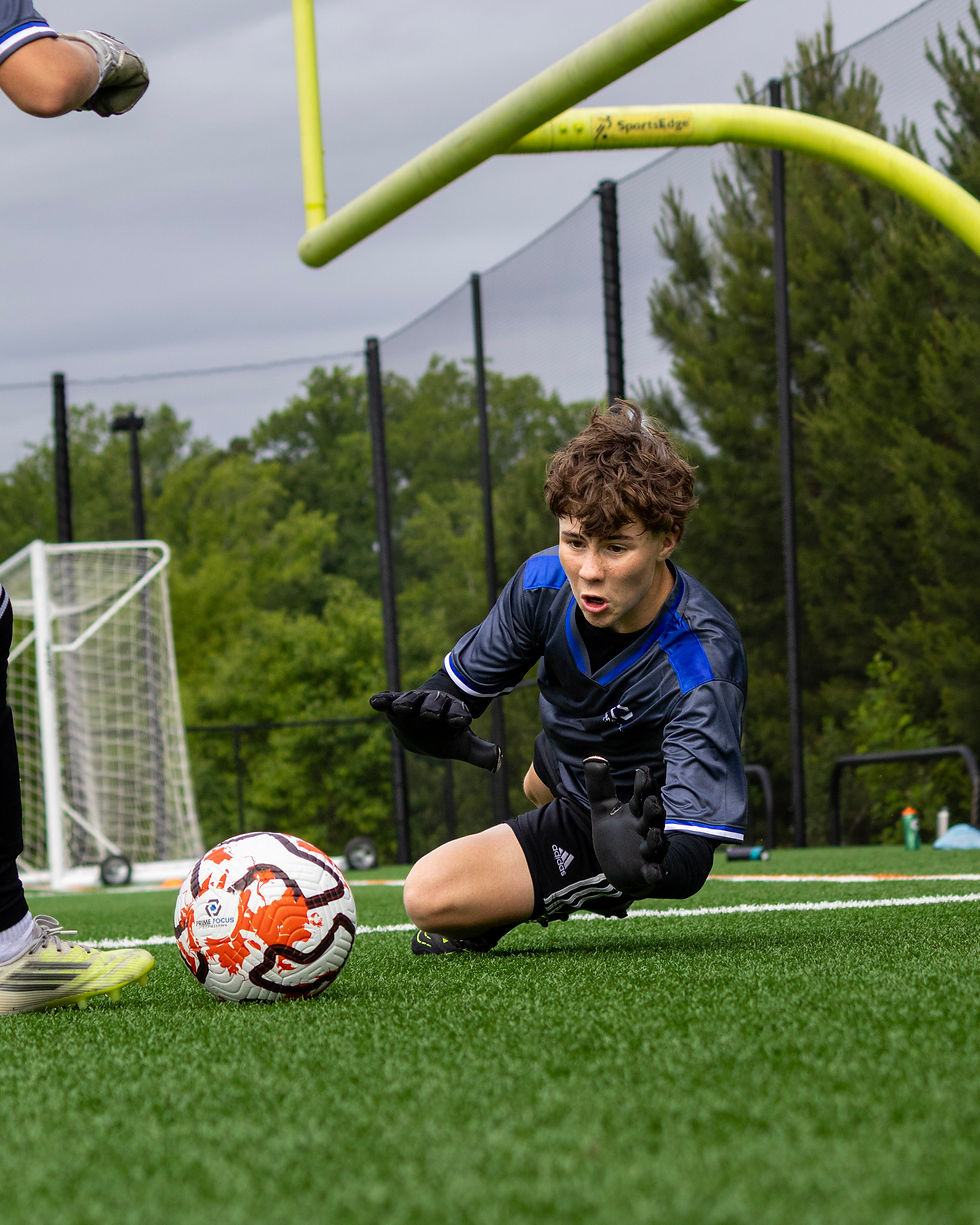
Not every program needs a full film analysis membership, but ask whether there's any video review built into the experience, even informally. It's a strong signal of how seriously a program takes individual development. You can also check out the goalkeeper film analysis program that we have with Prime Focus Goalkeeping. It is a great opportunity for your goalkeeper to get feedback on their performance from a former professional goalkeeper.
5. How Does the Program Handle the Off-Season?
This is where a lot of good intentions fall apart. A program that disappears between seasons is asking your goalkeeper to lose months of consistency every single year — and consistency is the single biggest driver of development.
Ask what training looks like in the summer and other gaps in the club calendar. The strongest programs treat the off-season as an opportunity, not a break. Two months of summer without goalkeeper-specific training? A winter break that leaves your goalkeeper fending for themselves for 6 weeks? This fragmented schedule forces goalkeepers to find other sources of goalkeeper training to fill the gaps. At Prime Focus Goalkeeping, we have a year-round goalkeeper academy that provides consistent, weekly training sessions. We don't take summers off, we ramp up training to accelerate development. We don't rest in the winter, we put together a comprehensive plan built around holidays that still provide natural rest and recovery time.
6. What Do Other Parents and Keepers Actually Say?
Marketing materials will tell you what a program wants you to believe. Other parents will tell you what's actually true. Ask for references, look for reviews, and if possible, talk to a family whose goalkeeper has trained there for more than one season — not just one camp.
Long-term retention is one of the most honest signals available. Families don't keep showing up year after year to a program that isn't working. See where the other goalkeepers are training. Look at the best goalkeepers at your age group and get an understanding of how they are developing. There is not a need to try and reinvent the wheel; follow success.
7. Does the Coaching Style Match Your Child?
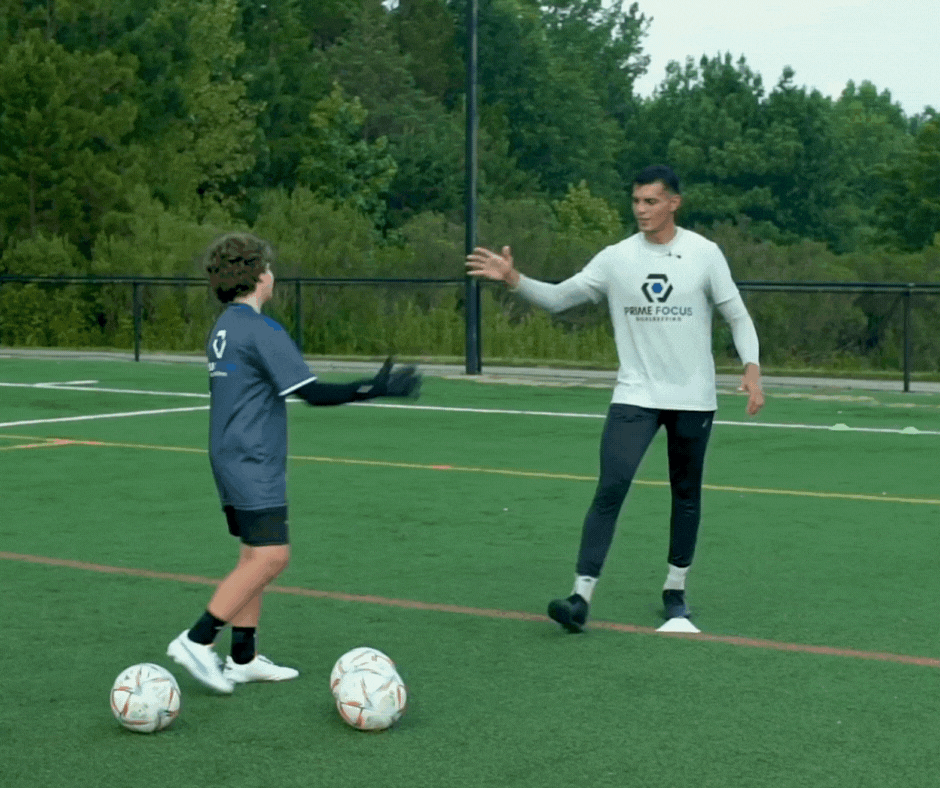
Even the most credentialed coach isn't the right fit for every kid. Some goalkeepers thrive with high-intensity, direct coaching. Others need more patience and encouragement, especially at younger ages. Watch a session if you can, or ask questions about coaching philosophy and tone before committing.
The technical quality of a program matters, but so does whether your child leaves training feeling more confident — not more anxious — about being in goal. The goalkeeper's union is a real thing. The environment that is created for every goalkeeper in that environment is important. Pay attention to how the coach interacts with the goalkeepers but also how the goalkeepers interact with each other.
Choosing the Right Fit Changes Everything
The right training environment doesn't just teach technique. It builds the kind of goalkeeper who shows up to every game confident, prepared, and improving — season after season. The wrong fit, even with good intentions, can leave a talented keeper stuck or burned out.
Ask these seven questions before you commit. The answers will tell you more about a program than any flyer or Instagram highlight reel ever could.
Want to see what a goalkeeper-specific training environment actually looks like? Connect with Prime Focus Goalkeeping — we're happy to answer every one of these questions ourselves.


Comments