


Should Your Child Specialize as a Goalkeeper? A Parent's Guide
Jul 21
4 min read

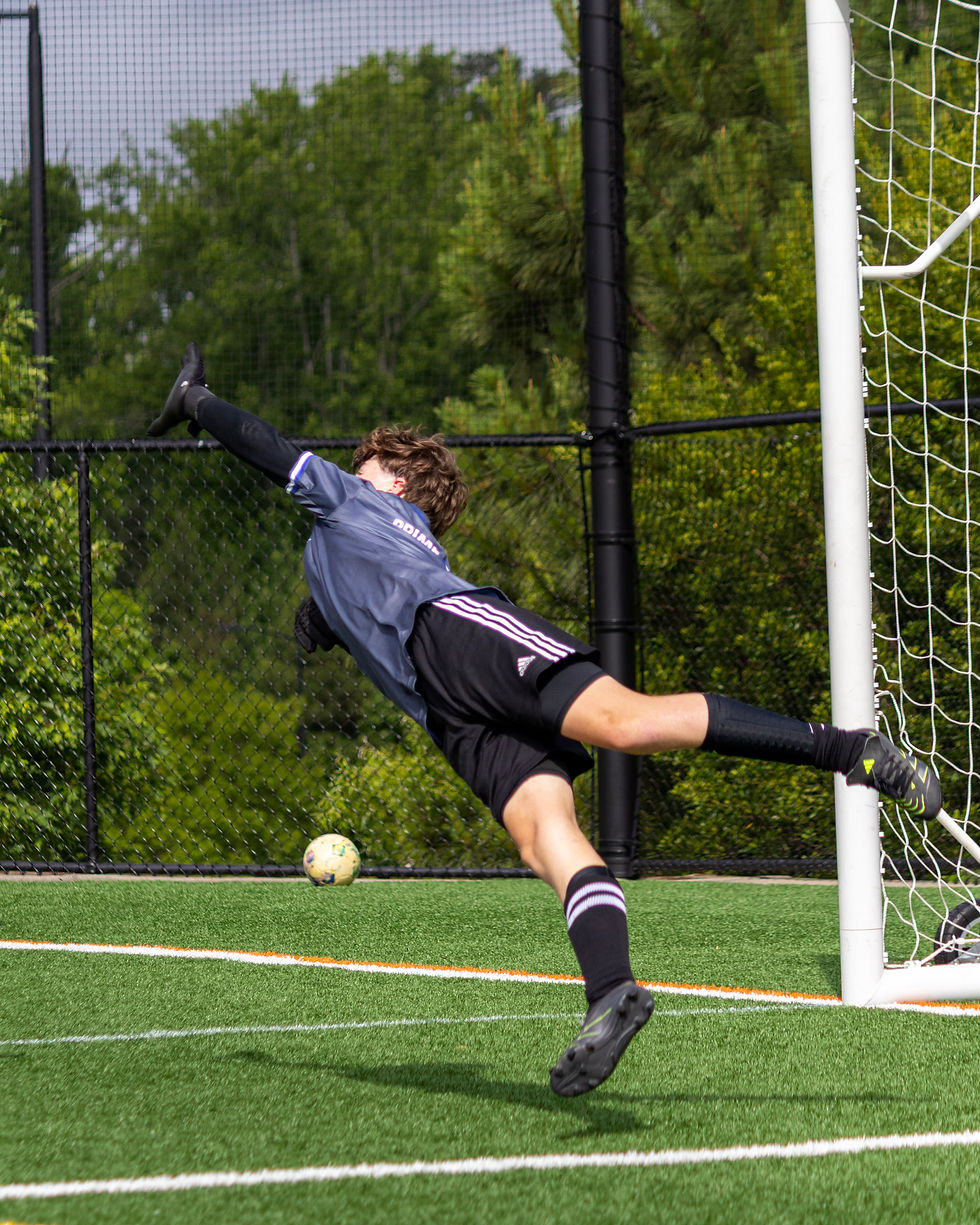
Your child loves being in goal. Maybe they've been begging to play there since their first season, or maybe a coach put them between the posts one practice and they never wanted to leave. Now you're staring down a real question: should they specialize?
It's one of the most common questions we hear from soccer parents, and it deserves a real answer — not a sales pitch. Here's what the research, the experts, and our own experience training goalkeepers actually say.
Why This Question Matters More Than It Seems
Goalkeeper is unlike every other position on the field. It requires a distinct set of technical skills, a different fitness profile, and — frankly — a different temperament than field positions. The earlier a child specializes, the more specialized training they need to actually develop the position properly.
But specializing too early as a child playing goalkeeper carries real risk. Pediatric sports medicine researchers have found that children who commit to a single sport or position at a young age account for a disproportionate share of overuse injuries in youth athletes, and the American Academy of Pediatrics generally recommends against single-sport specialization before age 15 to 16. Burnout and early dropout are common outcomes when kids are locked into one role before they're ready for that level of commitment.
So the real question isn't "is goalkeeping good for my child" — it almost always is. The real question is timing. Waiting until 15 or 16 years old will almost certainly leave your child in a disadvantageous position when competing with other goalkeepers in their age group. Finding the right balance of specialization and multi-sport or multi-position exposure early on is important.
What the Experts Generally Agree On
Across youth development models and goalkeeper coaches, a consistent picture shows up:
Before age 9: Kids shouldn't be playing a fixed position at all. Most small-sided formats at this age intentionally skip the goalkeeper position entirely, so every player gets maximum touches and exposure to the whole game.
Ages 9–11: Goalkeeper becomes a regular feature of play, but most experts caution against full specialization here. This is a great window to let your child try the position and see if they love it — without locking them into it.
Ages 12–14: This is widely considered the appropriate window for genuine specialization, when a child has the physical maturity, the passion for the position, and the broader athletic foundation to commit to it seriously.
Before age 12: The strongest recommendation across the board is to keep kids playing multiple positions, and ideally multiple sports. Broad-based athletic development at younger ages — agility, coordination, multi-sport movement skills — actually produces better, more well-rounded goalkeepers later, not worse ones.
Signs Your Child Might Be Ready to specialize as a goalkeeper
Specialization readiness isn't just about age — it's about the individual kid. A few signs worth paying attention to:
They genuinely ask to be in goal — repeatedly, not just once
They show real enjoyment of the position's unique demands, not just willingness to fill a gap on the team
They're physically and emotionally ready for the position's specific pressure and contact
They still want to train and play soccer broadly, not just stand in one spot
If your child checks these boxes and is approaching that 12–14 window, specialized goalkeeper training can be one of the best things you do for their development. If they're younger, or if the interest feels more like "nobody else wants to do it," there's no rush — and pushing too early can do more harm than good.

How to Specialize the Right Way
If the timing is right, specializing doesn't mean abandoning everything else. The best young goalkeepers we work with still play out, still train with their team in regular sessions, and still develop as all-around soccer players. Specialized goalkeeper training should add to that foundation, not replace it.
What it should include:
Position-specific technical training — footwork, handling, diving, distribution — taught by coaches who actually specialize in goalkeeping, not field-player coaches filling a gap
Age-appropriate intensity — training that matches a young keeper's physical and emotional development, not training borrowed from an older age group
A long-term view — development that's building toward who your child becomes at 16 and 18, not just who wins the most games at 11
The Bottom Line for Parents
There's no universal right age — there's a right window, and a right fit for your individual child. If your goalkeeper is in that 12–14 range, loves the position, and is ready for focused training, specialized goalkeeper coaching can accelerate their development significantly. If they're younger, the best thing you can do is let them play, let them try goal, and keep the door open without forcing the decision early.
When the timing is right, the goal isn't just more reps — it's the right reps, from coaches who understand the position inside and out.
Wondering if your goalkeeper is ready to start specialized training? Reach out to Prime Focus Goalkeeping — we'll help you figure out the right next step for where your child is right now.


Comments